Step by step guide to preserving bouquets for long term keepsakes
Posted on 02/10/2026
If you have ever stood in the kitchen with a fresh bouquet on the table and thought, I really don't want these to fade, you're in good company. A bouquet can carry a proper flood of memory: a wedding day, a birthday, a goodbye, a new baby, a quiet apology, or just a moment that felt bigger than ordinary life. This step by step guide to preserving bouquets for long term keepsakes walks you through the process in a clear, practical way so you can keep those flowers looking meaningful for years, not days.
The good news? You do not need fancy equipment to start. You do need the right timing, a little patience, and a method that suits the bouquet and the result you want. Some flowers dry beautifully, some need more careful handling, and some are better suited to professional preservation. Let's take it from the top.
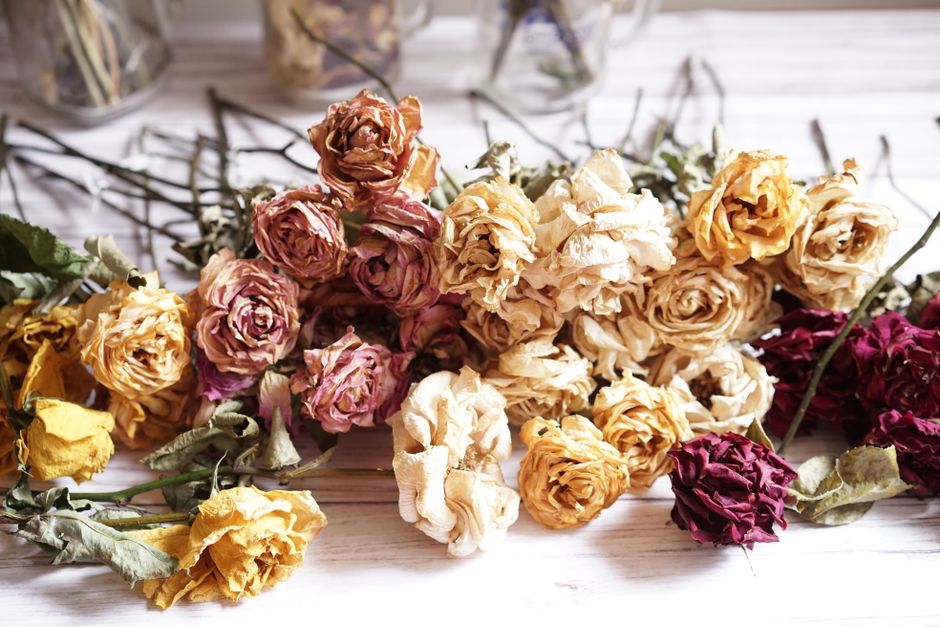
Table of Contents
- Why preserving bouquets for long term keepsakes matters
- How bouquet preservation works
- Key benefits and practical advantages
- Who this is for and when it makes sense
- Step-by-step guidance
- Expert tips for better results
- Common mistakes to avoid
- Tools, resources and recommendations
- Law, compliance, standards, or best practice
- Options, methods, or comparison table
- Case study or real-world example
- Practical checklist
- Conclusion
- Frequently asked questions
Why Step by step guide to preserving bouquets for long term keepsakes Matters
Fresh flowers are lovely, but they are also fleeting. A bouquet begins changing almost immediately after it is cut. Petals soften, stems lose moisture, and colours start shifting. That is just life doing its thing. Still, when the flowers mark an event that mattered, letting them disappear can feel a bit too final.
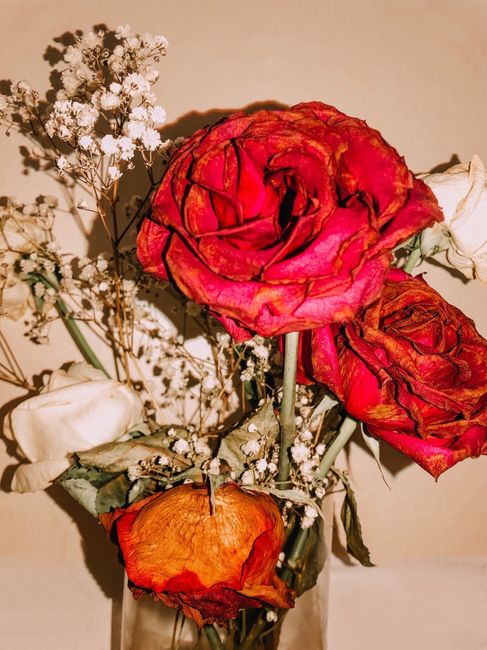
Preserving a bouquet gives the flowers a second life as a keepsake. That might mean a dried wedding bouquet on a shelf, a framed arrangement from a memorial tribute, or a single rose saved in a shadow box because it belonged to a day you never wanted to forget. In real terms, preserving flowers is not only about appearance. It is about memory, comfort, and having something tactile to hold onto when the moment itself is gone.
For many people, the emotional value is what makes the process worthwhile. You see the bouquet, and suddenly you're back in the room, the weather, the music, the smell of the venue, the slightly awkward hug from your aunt. Funny how a flower can do that, isn't it?
How Step by step guide to preserving bouquets for long term keepsakes Works
Flower preservation works by removing moisture while trying to keep shape, colour, and structure intact. Once water is gone, the flowers become less likely to wilt or decay in the same way. The exact method you choose changes the final look quite a bit.
Air drying tends to create a soft, vintage effect. Silica gel can keep more of the original shape and colour, though it takes more care. Pressing is excellent for flat keepsakes like framed art or cards. Resin encapsulation gives a modern, sealed result, but it is more technical and unforgiving if the flowers are not fully dry first.
The main thing to understand is this: the earlier you start, the better your chances. Bouquet preservation is a race against time in a very polite, non-dramatic way. If you can begin within a day or two of the event, you will usually have more options and better results.
Expert summary: The best preservation method depends on the bouquet's shape, the flower varieties, and the finish you want. If the flowers matter more emotionally than aesthetically, choose the method that keeps the memory intact with the least stress.
Key Benefits and Practical Advantages
There are a few reasons bouquet preservation has become so popular, especially for weddings and milestone events.
- Long-lasting memories: Instead of fading in a vase, the flowers stay part of your home and story.
- Decorative value: A preserved bouquet can work as wall art, shelf styling, or a display piece in a bedroom or hallway.
- Gift potential: Preserved flowers make thoughtful gifts for anniversaries, memorials, and family keepsakes.
- Sentimental continuity: For remembrance bouquets, the preserved version can offer comfort in a very real, everyday way.
- More sustainable than replacing: Keeping flowers longer reduces waste compared with buying decorative replacements for the same memory.
There is also a practical side. If you are preserving a wedding bouquet, for example, you may want a piece that matches the tone of the day and still looks good years later in a home with changing decor. Neutral dried roses and muted greens often age more gracefully than highly delicate blooms. That is the sort of detail people often discover too late.
And, to be fair, it is quite satisfying to save something beautiful from the bin.
Who This Is For and When It Makes Sense
Not every bouquet needs preserving. Some are simply meant to be enjoyed for a few days and then let go. But there are plenty of situations where preserving flowers makes perfect sense.
- Weddings: Bridal bouquets, bridesmaid bouquets, and buttonholes often have the strongest sentimental value.
- Funerals and memorials: Tribute flowers can become a deeply personal keepsake for family members.
- Anniversaries and engagements: Flowers from key relationship milestones are common preservation candidates.
- Baby showers and christenings: Soft, pastel bouquets can be preserved as nursery decor or memory boxes.
- Personal celebrations: Birthdays, graduations, new jobs, retirement flowers, and "just because" bouquets can all be worth saving.
It makes the most sense when the bouquet has personal significance, the flowers are reasonably fresh, and you have a clear idea of the final result you want. If the arrangement is already tired or damaged, a preservation method may still work, but expectations should be adjusted. Truth be told, a stressed bouquet rarely performs miracles.
If you are unsure whether to keep the full arrangement or just a few stems, that is normal. Many people save one or two signature flowers from the bouquet and preserve the rest in photos or a card. There is no single correct answer.
Step-by-Step Guidance
Here is the practical bit. This section breaks the process into manageable steps so you can preserve a bouquet with fewer surprises.
1. Choose the preservation method before the flowers begin to fade
Decide whether you want dried, pressed, or resin-preserved flowers. This choice affects how you handle the bouquet from the start. For example, if you want to dry the flowers, you will need to remove excess moisture quickly and keep the shape fairly intact. If you want pressed flowers, you may need to separate the blooms sooner so they flatten cleanly.
If the bouquet is extremely important, photograph it in good light first. A quick picture taken near a window can help preserve the original arrangement even if the final keepsake changes shape. One small moment, but useful.
2. Unpack and inspect the bouquet carefully
Remove any wrapping, ribbons, pins, or decorative extras. Check for bruised petals, broken stems, or hidden moisture at the base of the arrangement. If you see any flowers starting to brown, remove them before they affect the rest.
This is also the time to sort the flowers. Larger blooms such as roses, peonies, and lilies may need different handling from smaller filler flowers. Stems with heavy moisture or thick heads may take longer to dry, so keep that in mind.
3. Trim and tidy the stems
Cut away any damaged ends and strip off leaves that would trap moisture. Leaves are the silent troublemakers here. They hold water, slow drying, and can encourage mould if you leave too many in place.
If you are air drying the bouquet, gather the stems into a neat bundle and secure them with string or a rubber band. Do not tie too tightly. The stems can shrink a little as they dry.
4. Prepare the bouquet for your chosen method
For air drying: Hang the bouquet upside down in a dark, dry, well-ventilated room. A wardrobe, utility room, or spare room often works better than a sunny windowsill. Direct sunlight can bleach the colour faster than you'd expect.
For silica gel: Place a layer of gel in a container, set the flowers in position, and carefully pour more gel around and over them. The petals need support, so work slowly. This method is especially useful if you want better shape retention.
For pressing: Open the blooms slightly, separate petals if needed, and place them between absorbent paper inside a flower press or a heavy book. Use clean paper and keep the arrangement flat and even.
For resin: Pre-dry the flowers fully first. Resin traps everything, including moisture. If the flowers are not properly dried, you may end up with discolouration or cloudiness later.
5. Leave the bouquet undisturbed
This is the hard bit for impatient people. And for all of us, if we're honest.
Do not keep checking the flowers every hour. Movement can distort petals, and opening containers too often can expose the flowers to extra moisture. Drying times vary depending on bloom type, room conditions, and method. Air drying may take a couple of weeks or more, while silica gel is usually faster. Pressing often takes the longest if you want flat, crisp results.
6. Finish and protect the preserved flowers
Once dry, handle them gently. They will be more fragile than fresh flowers, and the petals can crack with very little pressure. Use a light coat of floral sealant only if it suits the method and the flowers. This is optional, not mandatory, and overdoing it can make the bouquet look unnatural.
At this stage, you can display the bouquet in a shadow box, vase, frame, or cloche. Keep it out of strong light, damp rooms, and heavy traffic areas where it might get knocked.
7. Store or display with care
If you want the keepsake to last, where you place it matters almost as much as how you preserve it. Hallways with condensation, kitchens with steam, and bright south-facing windows can shorten the life of dried flowers. A cool, dry space is usually best.
If you are planning to show it only on special occasions, store it in acid-free tissue and a sealed box away from light and dust. That extra bit of care can make a proper difference over time.
Expert Tips for Better Results
In our experience, the little details are what separate a lovely keepsake from a disappointing one.
- Start with the freshest flowers possible. If the bouquet has already begun to droop, the final result will reflect that.
- Choose blooms with structure. Roses, carnations, chrysanthemums, and some smaller clustered flowers usually preserve more reliably than very open, fragile petals.
- Work in a dry room. Moisture in the air slows drying and can trigger mould.
- Use colour as a guide. Deep reds and purples may darken when dried, while pale colours can fade. That is normal.
- Keep your hands clean and dry. Oils and moisture transfer easily to petals.
- Label the bouquet date. It sounds obvious, but a year later you will appreciate knowing which flowers came from which occasion.
If you are preserving a wedding bouquet, consider removing a few accent stems for separate keepsakes. Sometimes a single rose or a sprig from the bouquet is enough to hold the memory. Less can be more.
One small but useful trick: place a sheet of plain paper under your work area. It makes it easier to spot loose petals and keeps things a bit tidier. No one ever regrets that.
Common Mistakes to Avoid
Most preservation mistakes are simple, which is irritating in the way only simple mistakes can be. Fortunately, they are easy to avoid once you know what to look for.
- Waiting too long: A bouquet that has fully wilted is much harder to preserve well.
- Using too much moisture: Damp stems, wet petals, or a humid room can cause mould.
- Drying in direct sun: Bright light can bleach the colours unevenly.
- Overcrowding flowers: Blooms need space to dry without being crushed.
- Skipping prep work: Leaves, damaged petals, and excess water can ruin the result.
- Rushing resin work: Resin preservation looks polished only when the flowers are properly dried first.
- Choosing the wrong method for the flower type: Not every flower is suited to every process.
There is also an emotional mistake people make: expecting the preserved bouquet to look exactly like the fresh one. It won't. It will be different. But different can still be beautiful, and often more meaningful because it carries the passage of time with it.
Tools, Resources and Recommendations
You do not need a workshop full of kit, but a few basic tools make the job smoother.
| Tool or item | Why it helps | Best for |
|---|---|---|
| Sharp scissors or floral snips | Clean cuts reduce damage to stems | All methods |
| String or rubber bands | Helps bundle stems for air drying | Air drying |
| Silica gel | Supports petals while removing moisture | Detailed drying |
| Heavy books or a flower press | Keeps flowers flat and even | Pressing |
| Absorbent paper | Protects blooms while drying | Pressing and storage |
| Sealed box or frame | Reduces dust and handling | Display and storage |
| Soft brush or tweezers | Helps clean petals gently | Finishing touches |
If you are planning a bouquet preservation project around a wedding or memorial, a florist who understands flower care can help you choose varieties that age better. You may also want to look at related options on the site such as flower care advice and the wider range of wedding flowers if you are planning ahead and want blooms that are easier to keep.
For people who want to send flowers first and decide later, it can be useful to choose an arrangement that suits both the event and possible preservation. A bouquet from luxury flowers or a carefully selected design from best sellers often gives you stronger stems and better structure to work with.
Law, Compliance, Standards, or Best Practice
For most home flower-preservation projects, there are no special legal requirements to worry about. That said, good practice still matters, especially if you are handling flowers for others or running a keepsake service in a professional setting.
In the UK, it is sensible to think about the basics: safe use of sharp tools, careful handling of preservatives or sealants, and clear communication if you are preserving someone else's bouquet. If you are dealing with memorial flowers, always ask before altering them. It sounds obvious, but emotions can run high and assumptions can land badly.
If you are a florist or small business offering preservation as part of a wider service, you should keep your general business terms clear, handle personal data properly, and be transparent about what preservation can and cannot achieve. Natural variation in flowers, seasonal differences, and humidity all affect the result. No two bouquets age in quite the same way.
Best practice is simple: document the condition of the bouquet when it arrives, agree on the method, set realistic expectations, and explain storage limitations. That protects both the customer and the finished keepsake. If you are ever in doubt, caution is the better route.
Options, Methods, or Comparison Table
Different preservation methods create different looks, costs, and levels of difficulty. Here is a practical comparison to help you choose.
| Method | Appearance | Difficulty | Typical strengths | Limitations |
|---|---|---|---|---|
| Air drying | Rustic, soft, slightly vintage | Low | Easy, inexpensive, works at home | Can darken, shrink, or lose shape |
| Silica gel drying | Closer to original shape and colour | Medium | Good detail retention, quicker than air drying | Requires materials and careful handling |
| Pressing | Flat, artistic, delicate | Low to medium | Great for frames and cards | Not suitable for keeping the bouquet's 3D shape |
| Resin | Glossy, modern, sealed finish | High | Durable display piece | Tricky, irreversible, needs fully dried flowers |
If you want a simple keepsake with a natural finish, air drying is often the easiest starting point. If you want a more refined look, silica gel is usually worth the extra effort. Pressing suits people who prefer a framed memory over a full bouquet shape. Resin is more of a specialist choice, honestly, and best approached with patience rather than enthusiasm alone.
Case Study or Real-World Example
A bride in East London received a mixed bouquet with roses, lisianthus, and small filler blooms. She wanted to keep it after the wedding without sending it away for a complex finish. The flowers were still fresh the morning after the ceremony, so she acted quickly: removed the wrap, trimmed the stems, and separated the most important blooms for preservation.
She air-dried the main roses upside down in a spare room and pressed a few of the smaller flowers in a heavy book for framing later. The roses kept a softly faded shape, while the pressed petals became a neat display alongside the wedding card. It was not identical to the original bouquet, of course, but it felt personal and honest. More importantly, it lasted.
What made the difference was timing and restraint. She did not try to preserve every single stem in the same way. She picked the right method for each part of the bouquet. That is often the smartest approach. Not fancy. Just sensible.
Practical Checklist
Use this checklist before you begin:
- Choose your preservation method before the bouquet fades
- Photograph the bouquet in good light
- Remove wrapping, ribbons, and water-heavy extras
- Trim damaged stems and strip excess leaves
- Work in a cool, dry, well-ventilated room
- Separate blooms if they need different treatment
- Keep the flowers out of direct sunlight
- Allow enough drying time without checking too often
- Handle dried flowers gently to avoid cracking petals
- Store or display the finished keepsake away from moisture and dust
Optional but wise: write down the event date and a few words about why the bouquet mattered. Years later, that little note can be just as moving as the flowers themselves.
Conclusion
Preserving a bouquet is part craft, part memory-keeping, and part patience. The best results usually come from starting early, choosing a method that suits the flowers, and accepting that the preserved version will have its own character. That is not a flaw. It is the point.
Whether you are saving a wedding bouquet, a tribute arrangement, or a bunch of flowers that simply meant a lot to you on a difficult Tuesday, the process gives the moment a longer life. And that matters. A lot, actually.
Get a free quote today and see how much you can save.
If you are choosing flowers with preservation in mind, browsing thoughtful arrangements such as bridal bouquets, sympathy flowers, or a dependable local florist in Rush Green RM7 can help you start with blooms that are more likely to keep their shape and meaning.
Frequently Asked Questions
How soon should I preserve a bouquet after receiving it?
Ideally, start the same day or within 24 to 48 hours. The fresher the flowers are when you begin, the better the final keepsake usually looks.
What is the easiest method for preserving flowers at home?
Air drying is usually the easiest because it needs very little equipment. It is not the fastest, but it is a practical starting point for most people.
Which flowers preserve best for long term keepsakes?
Roses, carnations, chrysanthemums, and many smaller clustered flowers tend to dry well. Very delicate, moisture-heavy blooms can be trickier.
Can I preserve a bouquet that is already starting to wilt?
Sometimes, yes. You may still be able to save part of it, especially the sturdier stems. But the results will usually be less neat than with a fresh bouquet.
Does preserving a bouquet change its colour?
Yes, often. Dried flowers may darken, soften, or fade depending on the species and method. That change is normal and part of the process.
Can I use hairspray or a sealant on preserved flowers?
You can, but carefully. A light touch is best. Too much product can make petals sticky, heavy, or oddly shiny.
How do I stop dried flowers going mouldy?
Keep them away from moisture, dry them fully, and store them in a ventilated, low-humidity space. Mould usually comes from trapped dampness, not the flowers themselves.
Is resin the best way to preserve a bouquet?
Not always. Resin can look beautiful, but it requires very dry flowers and quite a bit of care. For many people, drying or pressing is simpler and safer.
Can I preserve just part of a bouquet?
Absolutely. In fact, that is often the best choice. Many people save the main roses or a few special stems and use the rest of the bouquet for photos or memory notes.
How long will a preserved bouquet last?
That depends on the method, the storage conditions, and how often it is handled. Kept dry and out of direct light, a preserved bouquet can last for years.
What should I do if the bouquet is for a memorial or funeral?
Handle it gently and with care. If the flowers belong to someone else, ask before altering them. A simple, respectful preservation method is often best for tribute flowers.
Can preserved bouquets still be displayed in a vase?
Yes, but only as a decorative display, not in water. Dried flowers should stay dry. A vase can work well if the bouquet is supported properly.