Guide to choosing wedding flowers that match your budget
Posted on 16/09/2026
Wedding flowers can set the tone for the whole day. They soften a room, bring colour into photographs, and make even a simple ceremony feel considered. But they can also swallow a budget faster than most couples expect. That's why this guide to choosing wedding flowers that match your budget focuses on the real decisions: what matters most, where you can save, and how to get a beautiful result without that horrible feeling of overspending before the cake is even cut.
If you're trying to plan sensible wedding flower spending, you're in the right place. Whether you want a small registry office bouquet, a full church-and-reception floral scheme, or something in between, the trick is not choosing "cheap" flowers. It's choosing the right flowers, in the right places, at the right scale. Truth be told, that difference is everything.
Below, you'll find a practical way to work out your floral priorities, compare options, avoid common money traps, and make confident choices that suit both your style and your wallet.
- Why wedding flower budgeting matters
- How the planning process works
- Benefits of budgeting properly
- Who this guide is for
- Step-by-step planning advice
- Expert tips to stretch your budget
- Mistakes to avoid
- Tools and resources
- Best practice, contracts and expectations
- Flower options and comparison table
- Real-world example
- Practical checklist
- Conclusion
- Frequently asked questions
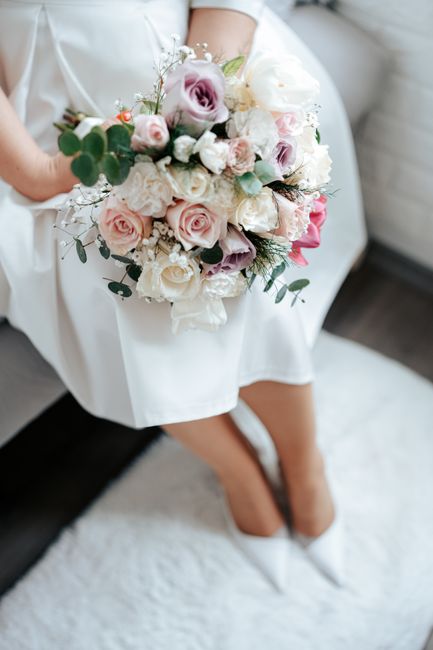
Why Guide to choosing wedding flowers that match your budget Matters
Wedding flowers are one of those parts of a wedding that seem straightforward until you start pricing them. A bridal bouquet feels manageable on its own, but once you add bridesmaid bouquets, buttonholes, ceremony flowers, table arrangements, and delivery, the total can climb quickly. That's why budget planning matters so much. It helps you stay calm, make trade-offs with clear eyes, and avoid last-minute panic orders.
It also helps you protect the look of the day. A couple with a modest budget can still have flowers that look elegant and intentional. In fact, some of the most beautiful weddings I've seen used a tight palette, a small number of flower varieties, and a few well-placed focal pieces rather than trying to cover every surface. Less can genuinely look more, especially when the flowers are chosen thoughtfully.
There's another reason this matters: wedding flowers are emotional purchases. People remember the bouquet in the morning room, the scent in the aisle, and the colour on the tables. Because they feel personal, it's easy to overspend "just a little" on this one thing and then regret it later. Budgeting gives you a guardrail. A sensible one, not a joyless one.
For couples planning in places like London or across the UK, timing and logistics can add another layer. Flower season, delivery windows, venue access, and set-up rules all influence cost. If your venue has a tight load-in time, or if you need flowers delivered the same day as the wedding, those practical details can affect the quote. A good florist will explain that clearly. If they don't, ask. Really ask.
How Guide to choosing wedding flowers that match your budget Works
The process works best when you start with priorities, not products. In other words, don't begin by asking, "What flowers do I like?" Start with, "What do I want the flowers to do?" That could mean making the bride stand out, dressing the ceremony space, or adding polish to the reception tables. Once you know the job, you can decide how much of the budget should go where.
Most budget-friendly floral plans follow a simple pattern: choose a few high-impact items, reduce the number of custom pieces, and use seasonal flowers or flexible colour choices. You might, for example, invest in a fuller bridal bouquet and keep bridesmaid bouquets smaller and simpler. Or you may prioritise ceremony flowers that can be moved to the reception rather than buying separate arrangements for every space.
This is also where style choices matter. Dense, highly structured designs usually require more stems and more labour. Loose hand-tied bouquets, mixed textures, and florist-choice arrangements can often give a softer, more natural look for less money. That doesn't mean they're "lower quality". It just means the design is working harder for the budget.
If you're shopping online, browsing categories such as wedding flowers or looking at specific items like bridal bouquets, bridesmaid bouquets, and buttonholes can help you compare what's available without getting lost in the details. You'll notice that the structure of the arrangement often tells you more about the likely cost than the flower names do.
Key Benefits and Practical Advantages
Choosing wedding flowers to match your budget gives you more than savings. It makes the whole planning process lighter, which is not a small thing when you're juggling guest lists, venue timings, and a hundred small decisions. Here are the biggest practical advantages.
- Less stress: You know what you can spend before you fall in love with arrangements that are out of reach.
- Better value: Every pound goes toward visible impact rather than hidden extras you may not need.
- Stronger styling: A limited colour palette often looks more polished than a mixed approach.
- Fewer surprises: You reduce the risk of paying extra for seasonal substitutions or late changes.
- More confidence: You can say yes or no to upgrades without second-guessing yourself all week.
There's also a visual benefit that couples sometimes overlook. When the budget is planned properly, flowers support the wedding design instead of competing with it. The table linen, dress details, venue architecture, and bouquet all work together. The room feels cohesive. Not fussy. Just right.
And yes, budget flowers can still look premium. A well-chosen combination of roses, carnations, lisianthus, alstroemeria, or mixed seasonal blooms can look far more expensive than it actually is, especially when the colour story is tight and the arrangements are thoughtfully sized.
Who This Is For and When It Makes Sense
This guide is for couples at pretty much any stage of wedding planning, but it's especially useful if you're in one of these situations:
- you have a fixed overall wedding budget and flowers need to fit inside it
- you want elegant flowers but don't want a large bespoke design fee
- you're planning a small ceremony and want a few standout pieces rather than a full floral takeover
- you're trying to compare florist quotes fairly
- you're deciding between fresh flowers, simpler arrangements, or reduced quantities
- you need practical options for a venue with limited access or a short set-up window
It also makes sense if you're simply not a "big wedding flower" person. That's perfectly fine. Some couples care deeply about the bouquet and barely anything else. Others want a few matching touches across the day. There's no single correct answer, only the one that suits your priorities and your day.
If you're local to East London or the RM7 area and want to keep things simple, using a florist with a clear wedding range can save a lot of back-and-forth. A focused selection is often easier to budget for than a fully bespoke list, and honestly, that clarity is a relief.
Step-by-Step Guidance
Here's a simple process you can follow. Nothing fancy. Just a sensible way to get from "we need flowers" to "we've got this sorted."
1. Set the floral budget first
Decide the total amount you can comfortably spend. Not the "best case" amount. The real one. Build in a little breathing room for delivery or small changes, because weddings do have a habit of producing extra requests at the last minute.
If flowers are one part of a wider spend, split the budget into rough categories: bouquet, bridal party flowers, ceremony, reception, and delivery. You do not need exact figures for every item, but you do need a ceiling.
2. List what matters most
Ask yourselves what people will actually see and remember. For many couples, that's the bridal bouquet, the ceremony backdrop, and the table flowers. Buttonholes and extra decorative pieces may be lower priority. That's fine. Priorities should reflect your day, not somebody else's Pinterest board.
One couple I spoke to recently realised they cared far more about two beautiful table arrangements and a strong bouquet than about flowers everywhere else. Once they said that out loud, the whole budget became easier. Clearer, too.
3. Choose a style that matches your budget
Loose, seasonal, and hand-tied designs are often more budget-friendly than tightly engineered luxury arrangements. If you love a classic romantic look, you can still achieve it with fewer stems and a focused palette of white, blush, green, or soft mixed tones. A restrained style usually stretches further.
4. Be flexible with flower choice
Here's a little florist reality: the overall effect matters more than insisting on one exact bloom. If you're open to substitutions, your florist can work with what's fresh and available. That flexibility often improves value and sometimes makes the design feel more natural anyway.
Popular flowers such as roses, carnations, chrysanthemums, alstroemeria, lilies, and lisianthus can all be used in wedding designs depending on the look you want. Some are better for volume, some for elegance, and some for structure. A good florist will explain the difference in plain English.
5. Reduce the number of separate arrangements
One of the easiest ways to save is to make each arrangement do more than one job. Ceremony pieces can often move to the reception. Table arrangements can double as gift table decor. Bridesmaid bouquets can be smaller versions of the bridal bouquet rather than entirely different designs.
6. Ask for a quote that shows the breakdown
When a quote is broken into parts, you can see where the money is going. That makes it easier to adjust. If a quote simply gives one total figure with no explanation, ask for the details. You're not being awkward. You're being sensible.
7. Review the practical details
Delivery time, set-up, collection, installation, and venue access all matter. Some venues are easy; some are a maze of stairs, loading restrictions, and "please arrive between 9:12 and 9:27" instructions. The practical side is not glamorous, but it affects the cost more than people expect.
Expert Tips for Better Results
In our experience, the best budget wedding flower plans are the ones that feel considered rather than reduced. That's a subtle difference, but an important one.
- Pick one star moment. Make the bridal bouquet or the ceremony flowers the main floral feature, then keep the rest simpler.
- Use a repeated colour palette. Repetition makes a small amount of flowers feel intentional across the venue.
- Ask about florist-choice designs. These can be excellent value when you trust the florist's eye.
- Keep stems and accessories simple. Ribbon, holders, and extras can add up if you're not careful.
- Use smaller centrepieces with more visual breathing space. A table that isn't overcrowded often looks more elegant.
- Consider seasonal flowers. They are usually easier to source and can look especially fresh.
- Plan for photos, not just the room. The bouquet and head table flowers will appear in most images, so give those priority.
A small but useful trick: ask your florist to design the bouquet colour story before naming exact flowers. If you say "soft pink, white, and a bit of greenery" rather than "peonies only", you'll usually get a more workable result. That's not you settling. That's you being practical.
And do keep an eye on seasonality. A flower that is easy to source in spring may be much costlier in late autumn. You don't need to become a botanist overnight, thank goodness, but a basic awareness of seasonal availability helps a lot.
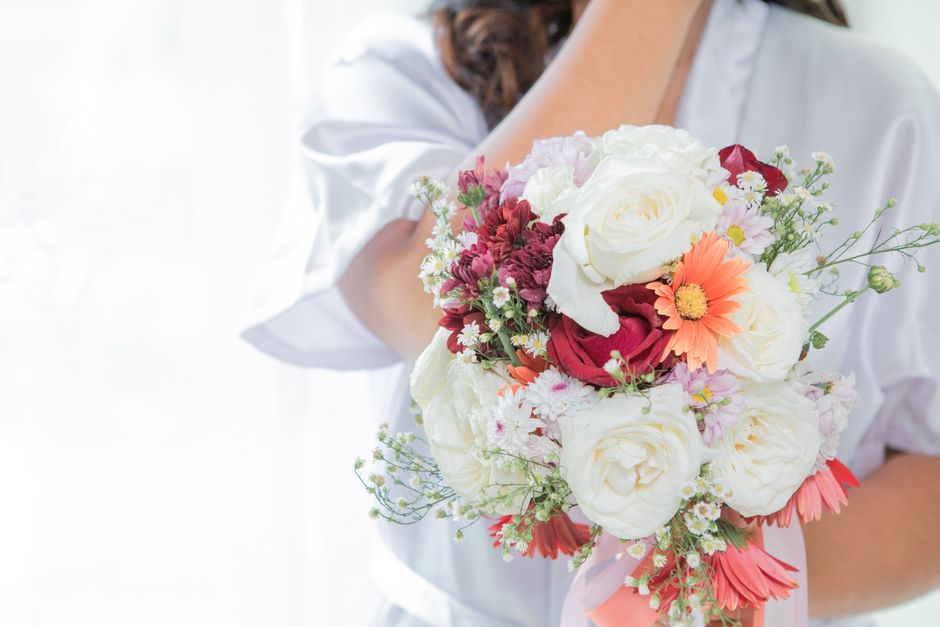
Common Mistakes to Avoid
There are a few budget mistakes that come up again and again. None of them are dramatic on their own, but together they can push the spend way beyond what you planned.
- Starting with expensive flowers and working backwards. That usually leads to disappointment.
- Forgetting delivery and set-up costs. The flowers are only part of the job.
- Over-ordering small items. Too many buttonholes, corsages, or extra posies can quietly inflate the bill.
- Trying to match every single arrangement perfectly. Some variation is normal and often looks more natural.
- Ignoring venue size. Tiny arrangements can disappear in a large room, while oversized pieces can crowd a small one.
- Changing the brief late. Late changes can mean sourcing issues or added labour.
Another common issue is treating the wedding as if every floral detail needs a separate bespoke design. It doesn't. A smarter plan usually uses a small number of repeating elements, which creates a stronger aesthetic and gives your budget a fighting chance. Simple, but not simplistic.
One more thing: don't assume the cheapest quote is the best value. If the arrangement is undersized, uses poor-quality stems, or leaves out delivery and set-up, the savings may disappear fast. Ask what's included. Always.
Tools, Resources and Recommendations
You do not need complicated software to plan your flowers well, though a spreadsheet can be helpful if you like tidy lists. A notebook, phone notes, or a simple table with three columns - item, priority, and estimated spend - is often enough.
Useful things to gather before you speak to a florist:
- your wedding date and venue
- the number of bridesmaids, groomsmen, and key family members
- your dress and colour scheme
- photos of styles you like and styles you do not like
- any must-have flowers, if you have them
- your exact or approximate budget ceiling
If you're shopping on a florist website, browsing relevant wedding categories can help you compare styles and price points more quickly. For example, a collection like wedding flowers may help you narrow down full-day options, while a product range such as table arrangements can give you a feel for reception styling. You can also compare a focused bouquet choice such as bridal bouquets against smaller supporting flowers like buttonholes or corsages.
If you're still early in planning, it can also help to look at a florist's general product range and delivery information so you understand how they work. That sort of background detail matters more than people think. The smoother the process, the easier it is to stay within budget.
Law, Compliance, Standards, or Best Practice
Wedding flowers are not heavily regulated in the way some other services are, but there are still important best-practice points to keep in mind. These are less about formal law and more about sensible customer protection and clear expectations.
First, always check the florist's terms, payment process, delivery arrangements, cancellation rules, and refund policy before confirming an order. If you are booking online, read the fine print. It's boring, yes. Also necessary.
Second, if your florist is handling delivery to a venue, make sure they know the venue's access rules, timing restrictions, and set-up requirements. Venues can be picky, and that's normal. A clear handover avoids confusion on the day.
Third, if you need flowers for a religious ceremony or a culturally specific wedding design, talk openly about any required colours, placement rules, or traditions. A thoughtful florist will respect that and adjust the design accordingly.
Finally, good practice means honest communication. If a flower is seasonal or hard to source, you should be told in advance that substitutions may happen. That is standard, and it is better to know early than to be surprised on the morning of the wedding while someone is wrestling with ribbon and roses.
Options, Methods, or Comparison Table
To help you compare your choices, here's a simple breakdown of common wedding flower approaches and how they tend to work with budget.
| Approach | Best for | Budget impact | What to watch |
|---|---|---|---|
| Full bespoke floral design | Large weddings, high-detail styling | Usually highest | Labour, custom sourcing, installation |
| Seasonal hand-tied arrangements | Balanced style and value | Moderate | Flower availability and exact colour matching |
| Florist-choice designs | Couples who trust the florist's eye | Often better value | Less control over exact blooms |
| Small hero bouquet plus simple support pieces | Smaller weddings or tight budgets | Low to moderate | Making sure the main pieces still feel special |
| Repurposed ceremony flowers | Cost-conscious couples who want visual impact | Efficient | Timing and transport between spaces |
If you want the safest route for value, the second and third options are often the sweet spot. They usually give enough flexibility for the florist to work with seasonal stock while still keeping the design attractive and cohesive. Not flashy. Just smart.
Case Study or Real-World Example
Imagine a couple planning a late-summer wedding in a small London venue. They want the day to feel warm, romantic, and relaxed, but they do not want to spend a fortune on flowers. Their first instinct is to ask for peonies, orchids, table runners, and lots of separate arrangements. Lovely idea. Slightly terrifying for the budget.
After speaking with a florist, they narrow the plan down. They choose one fuller bridal bouquet, two simpler bridesmaid bouquets, six buttonholes, two ceremony arrangements that can be moved to the reception, and small table pieces that echo the bouquet colours. They keep the palette to blush, white, and green, which makes the room feel coordinated without needing a huge number of stems.
The result is elegant rather than crowded. The bouquet photographs beautifully in the morning light. The ceremony flowers are reused at the reception. The table arrangements are modest, but because the colours repeat, the whole room feels more finished. Nobody at the wedding walks around thinking, "What a budget compromise." They simply think the flowers are lovely. And that, really, is the point.
That kind of outcome is common when the budget is used deliberately. It's not about having less. It's about spending better.
Practical Checklist
Use this checklist before confirming your wedding flower order:
- Set a realistic total flower budget
- List the most important floral items first
- Decide whether you want fresh seasonal flowers, a florist-choice style, or a more bespoke design
- Confirm how many bouquets, buttonholes, corsages, and table pieces you actually need
- Check whether ceremony flowers can be reused at the reception
- Ask what delivery and set-up are included
- Make sure the venue access details are clear
- Confirm any substitution policy in writing
- Review the colour palette against dresses, decor, and venue style
- Keep one or two backup options in case a flower is unavailable
Practical summary: the easiest way to stay on budget is to prioritise the pieces that appear in photos and in the ceremony, simplify the rest, and stay flexible on exact blooms. That approach gives you the best chance of a beautiful result without the budget creeping upwards one tiny upgrade at a time.
Conclusion
Choosing wedding flowers that match your budget is less about cutting corners and more about making deliberate decisions. When you know your priorities, stay flexible on flower types, and focus on the arrangements that matter most, you can create a look that feels thoughtful and complete without financial regret afterwards.
The best wedding flower plans tend to have a calm, confident simplicity to them. They don't try to do everything. They do the right things well. And to be fair, that's often what guests remember most - not how many stems were used, but how beautifully everything came together.
If you're at the stage where you're comparing styles, narrowing your shortlist, or just trying to make sense of your options, take your time and trust your instincts. A good florist will help you make the flowers work for the day you actually want, not the one in a glossy magazine.
Get a free quote today and see how much you can save.
With a clear plan and a little flexibility, your wedding flowers can feel personal, polished, and genuinely joyful - which is exactly how it should be.
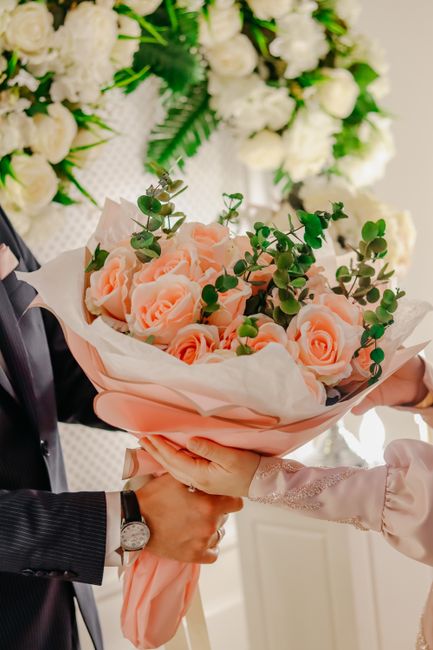
Frequently Asked Questions
How do I choose wedding flowers on a tight budget?
Start by deciding which flowers matter most, then choose a simple colour palette and ask for seasonal or florist-choice options. Smaller bridal party flowers and reused ceremony arrangements can help stretch the budget without losing style.
What wedding flowers give the best value for money?
Flowers that create volume or work well in mixed arrangements often give strong value, such as carnations, chrysanthemums, alstroemeria, roses, and lisianthus. The best value usually comes from design, not just the flower name.
Should I choose seasonal flowers for my wedding?
Yes, if you want better value and smoother sourcing. Seasonal flowers are often easier for the florist to work with and can look fresher in the overall arrangement. They also reduce the risk of expensive substitutions.
How many bouquets and buttonholes do I really need?
Only order what will actually be used and seen. A bridal bouquet is essential for many couples, bridesmaid bouquets depend on your bridal party, and buttonholes are usually for the groom, groomsmen, and a few key family members if you want them.
Is it cheaper to have one florist make everything?
Often yes, because it keeps delivery, styling, and coordination simpler. A single florist can also make sure the colour palette and design style stay consistent across all pieces.
Can I reuse ceremony flowers at the reception?
Absolutely, and it's one of the smartest budget choices. Just make sure the timing, transport, and venue access are planned properly so the flowers can move without stress.
What should I ask a florist before booking?
Ask what's included in the quote, whether substitutions may be used, how delivery works, whether set-up is included, and what happens if you need to make a change later. Clear answers now save headaches later.
Are cheap wedding flowers always a bad idea?
No, not at all. Cheap should not mean poor quality. A simpler design with fresh flowers and good colour choices can look elegant and intentional. The risk is only when "cheap" means rushed, undersized, or unclear about what you're getting.
How far in advance should I book wedding flowers?
As early as you reasonably can, especially for popular dates. Earlier booking gives you more choice and makes it easier to plan around seasonal availability, venue timings, and budget changes.
What if I love expensive flowers but can't afford them?
Use them sparingly as focal accents, or ask for a similar look with more affordable alternatives. Many couples mix one or two dream flowers with supporting blooms that create the same overall feel. That's usually the sweet spot.
Do wedding flowers need a written contract or confirmation?
It is best practice to have clear written confirmation of the order, price, delivery details, and cancellation terms. Even if it is a simple invoice or email, having the details in writing reduces misunderstandings.
What's the biggest mistake couples make with wedding flower budgets?
Probably underestimating the total once all the small items are added up. A bouquet can seem affordable on its own, but once you add the bridal party, ceremony pieces, tables, and delivery, the spend can rise quite fast. Planning the whole picture avoids that surprise.